
.avif)
Body Image and Gay Culture: Dating Apps and the Pressure to Look Perfect
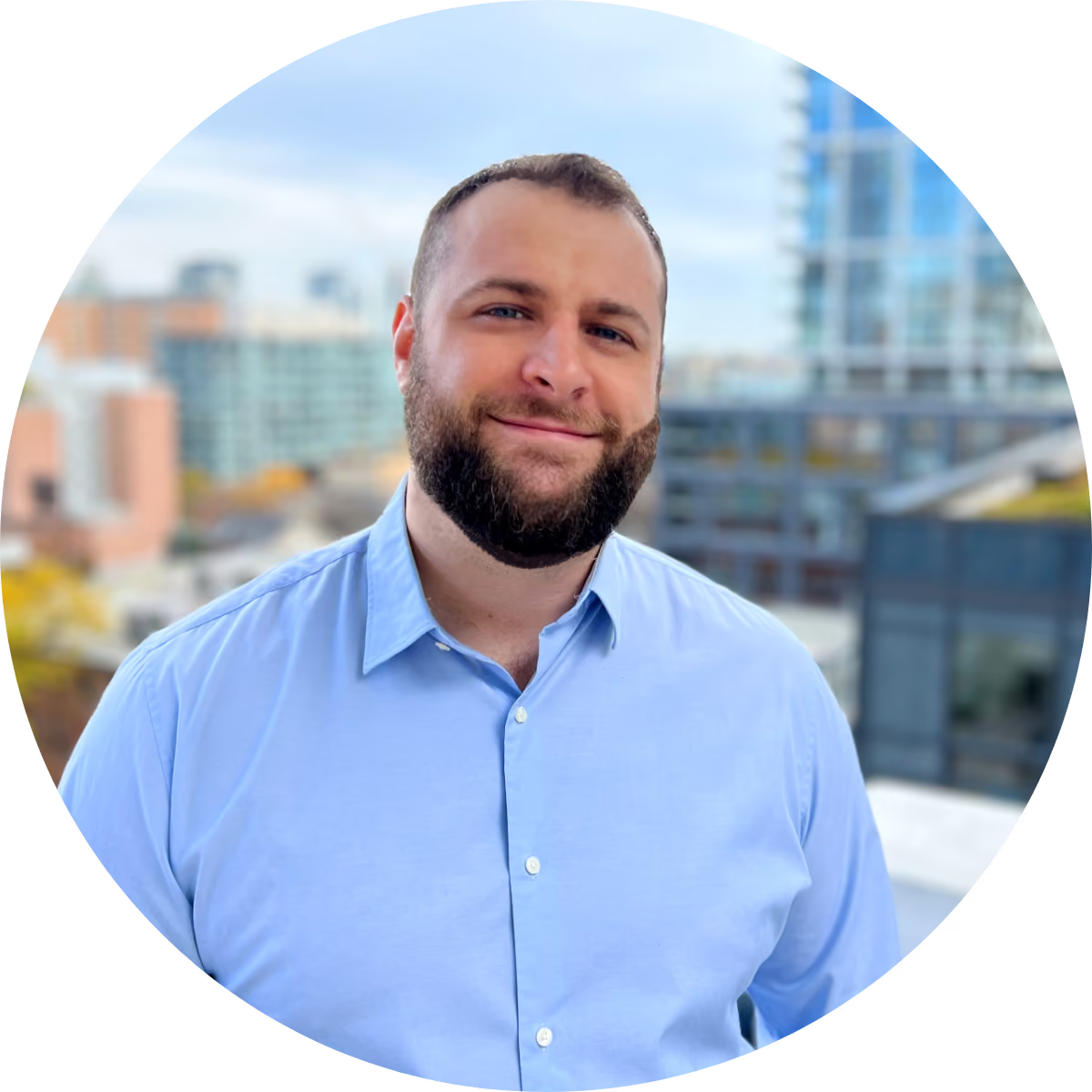
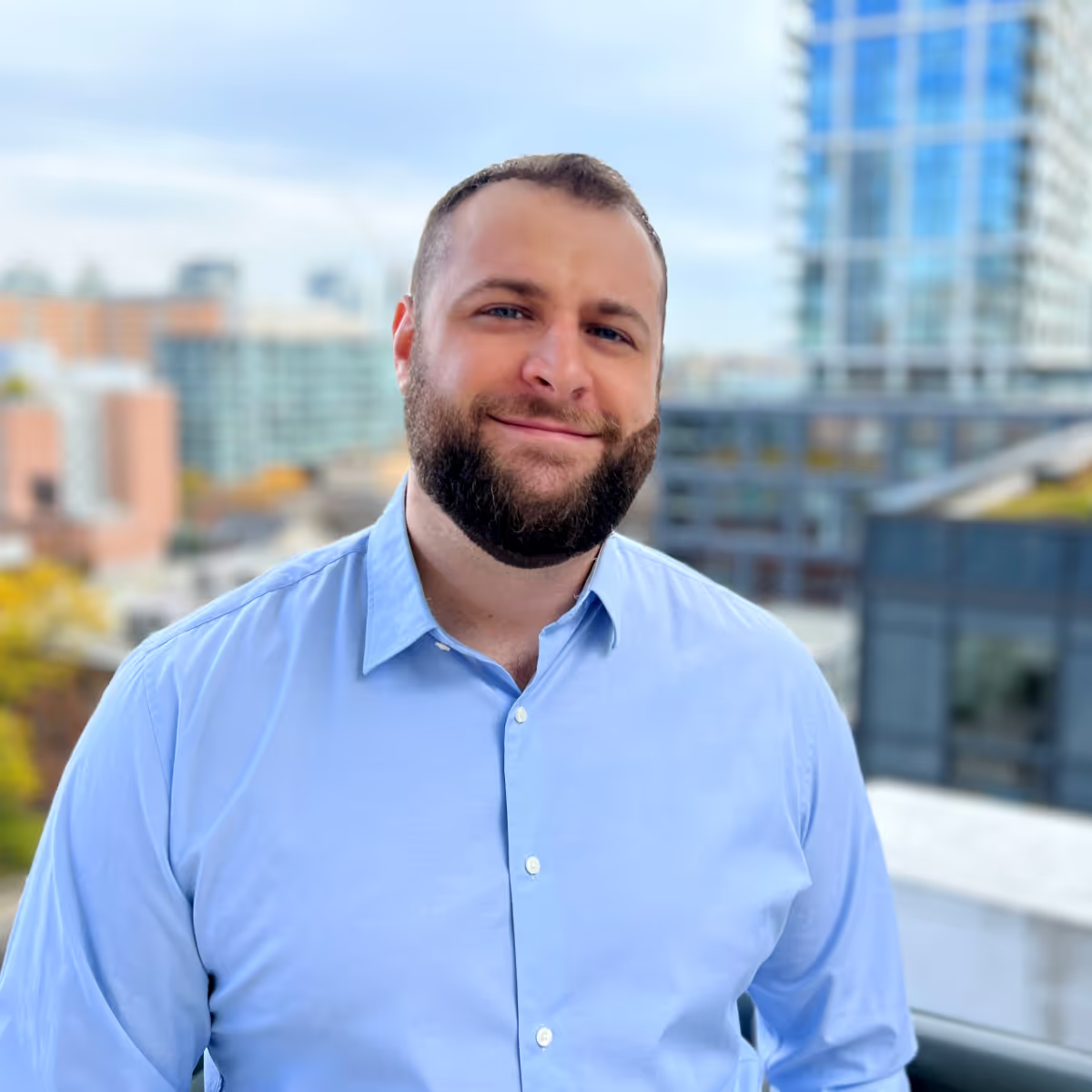
Nick Fink, RP is the founder and director of Mantra Psychotherapy. He has been practicing as a Registered Psychotherapist for five years and has supported hundreds of clients across the Greater Toronto Area and Ontario.
Nick Fink, RP is the founder and director of Mantra Psychotherapy. He has been practicing as a Registered Psychotherapist for five years and has supported hundreds of clients across the Greater Toronto Area and Ontario.
Body image struggles are common across many communities, but many gay men report feeling particularly intense pressure around appearance. In queer spaces, and especially on dating apps—certain body types are often prioritized, which can leave people feeling like they need to look a certain way to be desired.
In therapy, body image concerns frequently show up alongside anxiety, shame, perfectionism, and relationship stress.
Understanding where these pressures come from can be an important first step toward building a healthier relationship with your body.
Beauty Standards in Gay Culture
In many areas of gay culture, a narrow range of body types tends to receive the most visibility and validation. Muscular, lean, or highly fit bodies are often portrayed as the ideal.
On dating apps, people may encounter phrases like “fit only” or “masc for masc,” which can reinforce the idea that only certain bodies and gender expressions are desirable. Over time, this can lead to internalized beliefs such as:
- “I need to change my body before I can date.”
- “People won’t find me as attractive as I am.”
- “My value depends on how I look.”
These experiences can contribute to body shame, comparison, and low self-esteem.
How Dating Apps Intensify Body Image Pressure
Dating apps can make it easier to meet other LGBTQ2IA+ people, but they can also amplify appearance-based judgment. When profiles are primarily photos, attraction can start to feel like a quick visual evaluation.
Many people describe feeling pressure to:
- Curate the “perfect” photo
- Compare their bodies to others
- Seek constant validation through matches
- Avoid rejection by changing their appearance
Over time, dating can start to feel less like connection and more like performance.
The Role of Masculinity and Heteronormativity
Body image pressure is also influenced by broader social expectations around masculinity. Growing up in a heteronormative culture can leave LGBTQ2IA+ people feeling like they must prove their masculinity or attractiveness in other ways.
This can create pressure to appear more masculine, fit, or traditionally "attractive" in order to gain acceptance.
Rebuilding a Healthier Relationship with Your Body
Healing from body image pressure often involves shifting the way we relate to our bodies and self-worth.
If you choose to see a LGBTQ2IA+ therapist, that work may include:
- Challenging negative beliefs using techniques such as Cognitive Behavioural Therapy (CBT)
- Learning emotional regulation skills through Dialectical Behaviour Therapy (DBT)
- Processing shame or rejection
- Building self-worth that is not tied solely to appearance
Working with a trauma-informed therapist who understands intersectionality, sexual orientation, and LGBTQ2IA+ experiences can help create meaningful and lasting change. A queer affirming and gender-affirming care approach to therapy recognizes these cultural influences and creates a safe space to explore them.
Finding LGBTQ2IA+ Therapy in Toronto and Ontario
If body image concerns are affecting your confidence, relationships, or dating life, therapy can help.
At Mantra Psychotherapy, we provide queer affirming therapy focused on trauma, anxiety, relationships, and identity. Our clinicians bring lived experience and aim to create a supportive therapeutic space where you can explore these challenges with compassion and care.
If you're looking to find a therapist in Toronto or across Ontario who offers LGBTQ therapy, our team is here to support you.
Author's note: The content in this article is for educational purposes only. Please speak with a healthcare provider to obtain appropriate recommendations for any mental health concerns.
Looking for a Therapist?
Our team is comprised of experienced counsellors who are prepared to support a range of psychological concerns and personal challenges. Our clinic provides virtual psychotherapy across Ontario.

.avif)
.avif)
.avif)


.svg)
.svg)
.svg)
.svg)

.svg)